Showing posts with label Experimental Photography. Show all posts

Wednesday, February 13, 2008

Kashiwa Light Painting 2


Kashiwa is one of those 'cities that never sleep' and i tried to capture this with the liquid light of a swishing camera. Somehow neon with it's messages is just too literal and garish until you swish it around a bit. This is the kind of 'Impressionistic', sensual photo I am aiming for- perhaps with a long way to go before perfection, but escaping the domain of cliches.

Friday, December 28, 2007

Warm Reflections


Using the D300's vivid colour mode, I captured this sunset reflection on an ancient rock. The colours aren't really quite like this, at least seen with the human eye; but who ever said that what we see is any nearer to reality than our wildest fantasies?

Prayer


One of the lightening-bolt-shaped prayer flags so common in shrines in Japan. Yes, I like simple and with the low aperture of the 35mm F/2 this is what you can get. What's your prayer for the new year?

Wednesday, December 26, 2007

A Cup, Simply


I love to experiment with bokeh- here is one of my cup, from right where I'm sitting. I can get the contrast of sharp and smooth as well as light and dark and that creamy smoothness is always nice to look at. This was done with my 50mm F1.4, the basic creative lens that used to come with every good camera (though now people are addicted to zooms, alas.)

Just Imagine


Something else I've been experimenting with on my new camera is black and white. I've never really gotten into this before, but being able to see the result on a clear viewfinder has made it so much more accessible. The simplicity of black and white appeals to me, just as does having only one thing in focus. Less can be more in this information-laden age.

Thursday, October 25, 2007

Into the Mists


Another view of Kusatsu onsen- here is where the salts are extracted from the mountain waters, as has been done for centuries. An onsen is a deep experience, as the minerals soak into you and sooth.

Lights in Mist


From recent trip to Kusatsu onsen. These mystical mists were deepened by the rainy weather. You really feel primal Japan in such a place.

Monday, July 17, 2006


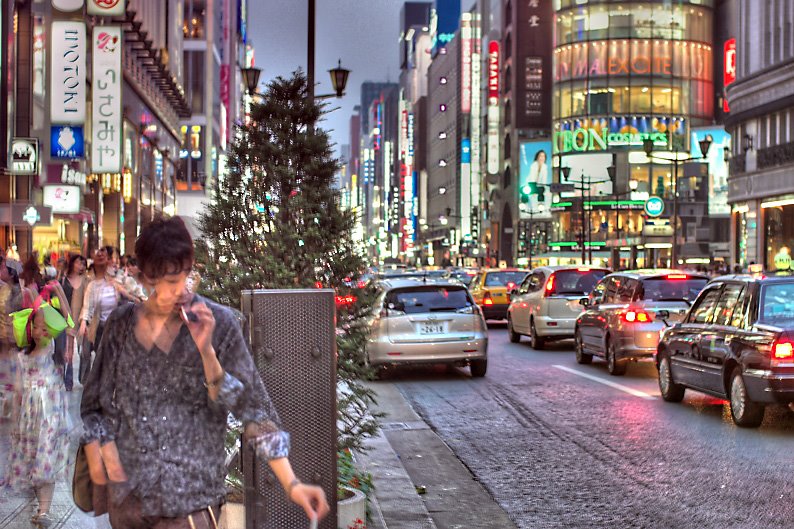
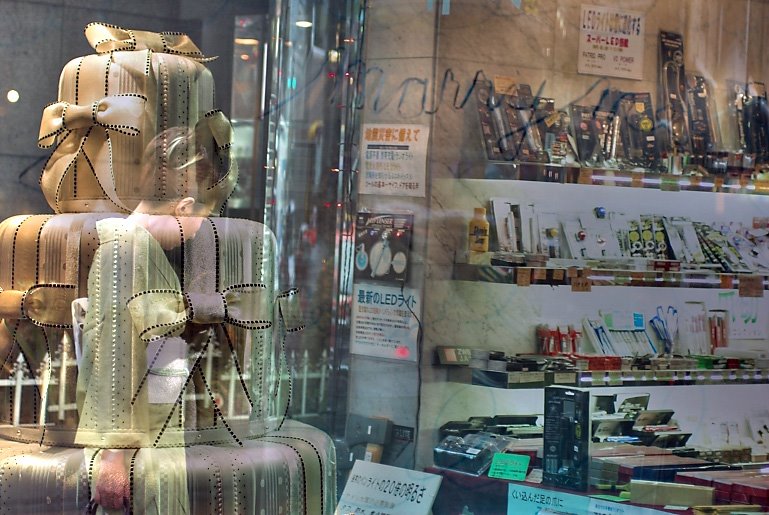
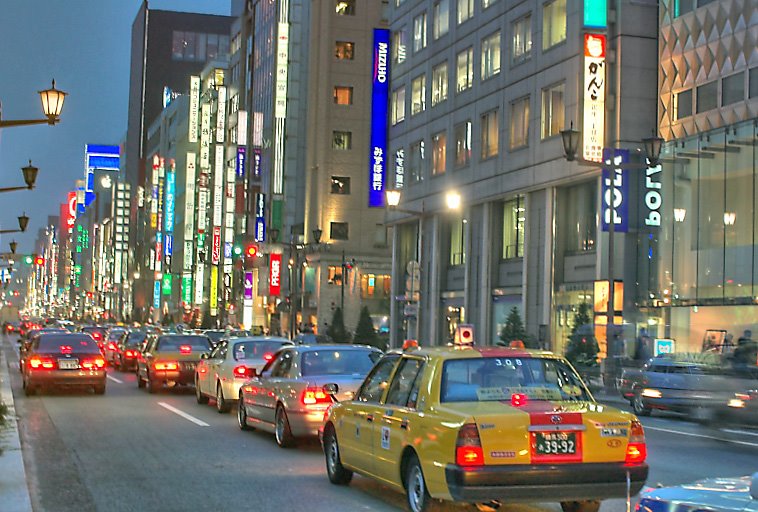
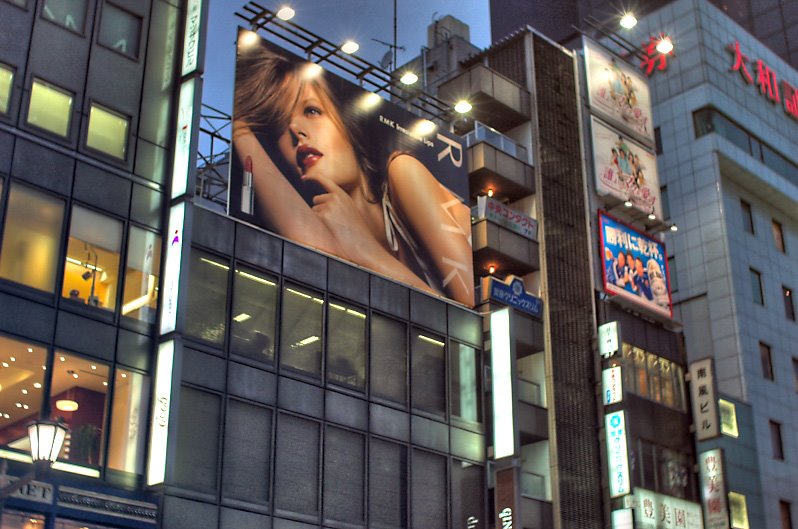
Some examples of the Tokyo HDR photos. Note the rich colours, bringing out the neon. Seen this way, I really feel the atmosphere and emotion of the city. Despite all the tall buildings and buisiness neccessities of running one of the biggest economies in the world, people just want to live. Everywhere you see the search for a more attractive lifestyle, the envy of a glamourous existance.

THE END. Posted by Picasa

True HDR... HDR Redux

-I-


-II-


-III-


I recently refined my HDR process to include a few steps in Photoshop, which should hopefully make the colours more tasteful and bring up the contrast, which seems to suffer a lot from the tone-mapping process. So I call the expanded technique 'HDR Redux'.

Needing to make a few trips into Tokyo for camera repairs anyway, I decided to try my hand at some 'true' HDR images, each one made from three photos with different exposures, which I then went on to treat in Photoshop. You can see more of at Tokyo HDR. So, here we go... Posted by Picasa


Note on HDR Technique: 19/09/2006- In fact, I should come clean- up until now I haven't posted any true HDR images here. The photos I posted earlier are more accurately referred to as 'tone-mapped' photos, as they were made only from one RAW image. In case you don't know, a RAW image comes straight from the camera's sensor, whereas a Jpeg is processed to make it look both smaller and to look good. Of course, one RAW image, being 12-bit, possesses far more information than a conventional 8-bit Jpeg photo, so it is 'relatively' HDR, but it's a contentious issue to call it that.

'True' HDR is pushing back the boundaries of what is possible with digital photography, and dealing with it's nemesis- it's relative lack of dynamic range and sublety of colour, by blending images together to produce 32-bit images, images that can't even be displayed by conventional monitors. Tone-mapping came about as a process for making such images look pleasing to the eye on the screen (though, as I learned, is not always enough on it's own), yet can also be used to bring out the hidden depths of a 12-bit RAW image.


Also, anyone who has read these pages before may notice that there were a lot of the aforementioned 'semi-HDR' tone-mapped images here, that have since been removed. They can still be seen at Tone-Mapping Experiments.

Saturday, June 10, 2006

Amethyst Symphony


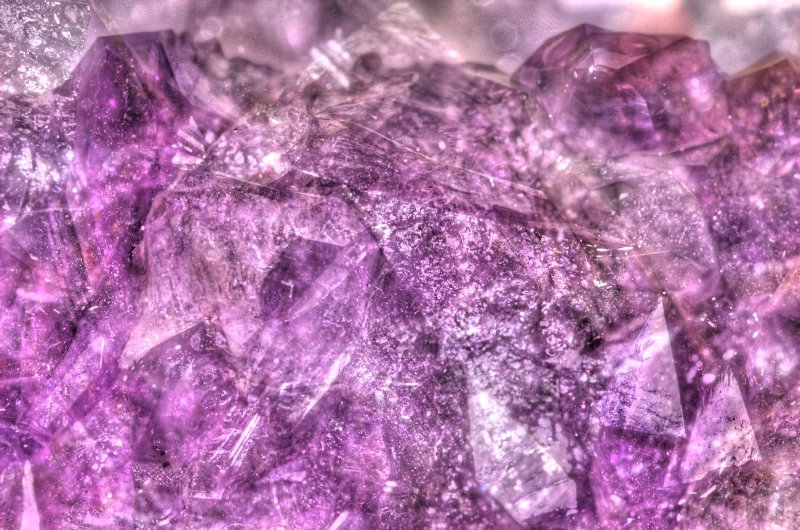
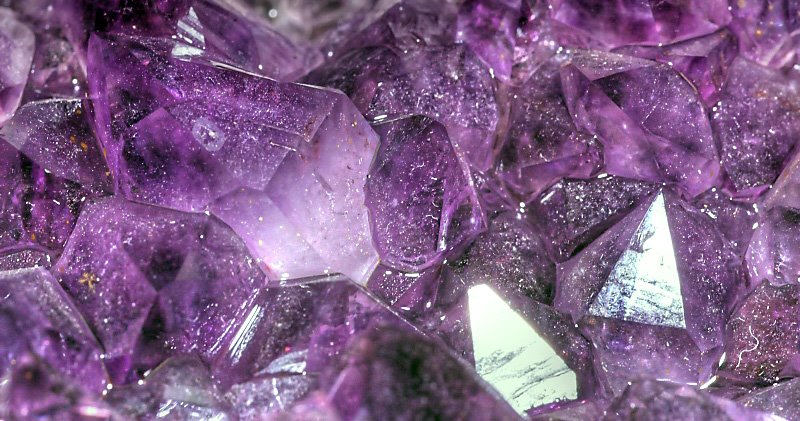
Amethyst symphony; a blend of four photos. I see something like a purple mountain range, a harmony of all the cracks and crevices producing something regular from the chaos. Wherever we look, pattern is sure to re-emerge. This is, incidentally, the 333rd post on A Day in the Life.

THE END. Posted by Picasa

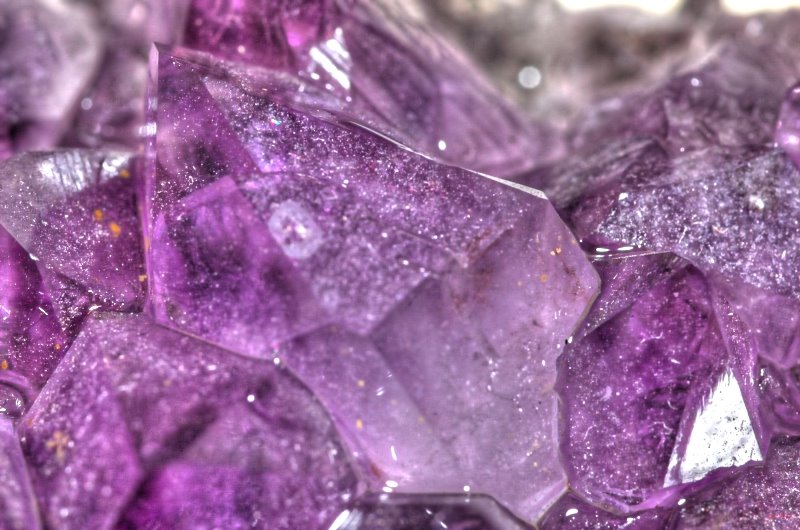
Amethyst- Tone-Mapped


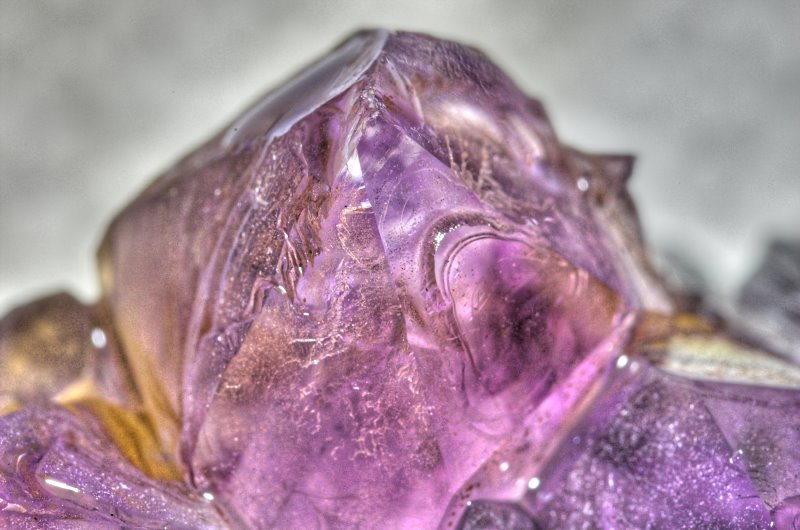
Another view of the amethyst crystal. The tone-mapping brought out colours and textures I didn't even know were there. This is a super-macro, by the way, larger than life-size. Posted by Picasa

Amethyst Mountains- Tone-Mapped


My amethyst crystal, tone-mapped. Posted by Picasa

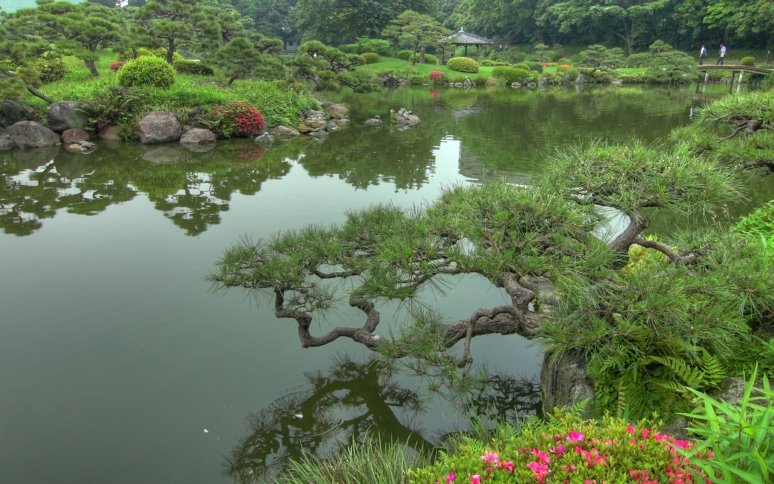
Kiyosumi Lake- Tone-Mapped


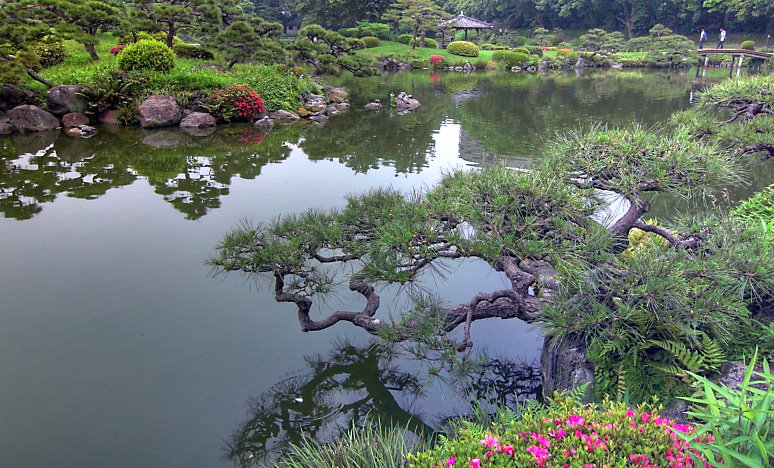
Another tone-mapped view of the beautiful gardens of Kiyosumi. Posted by Picasa

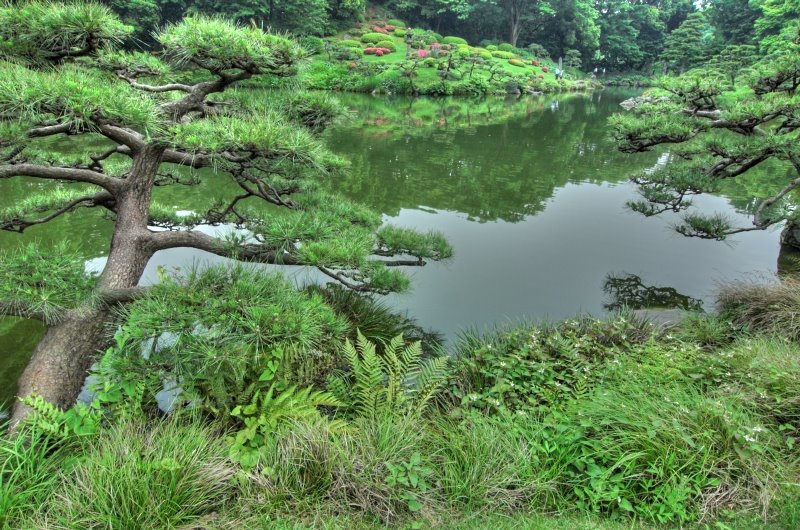
Kiyosumi Trees- Tone-Mapped


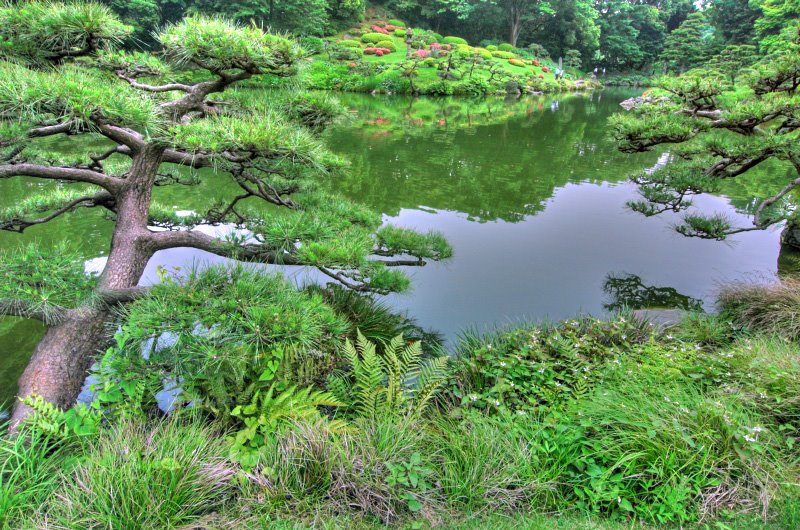
The beautiful gardens of Kiyosumi- tone-mapped. Posted by Picasa

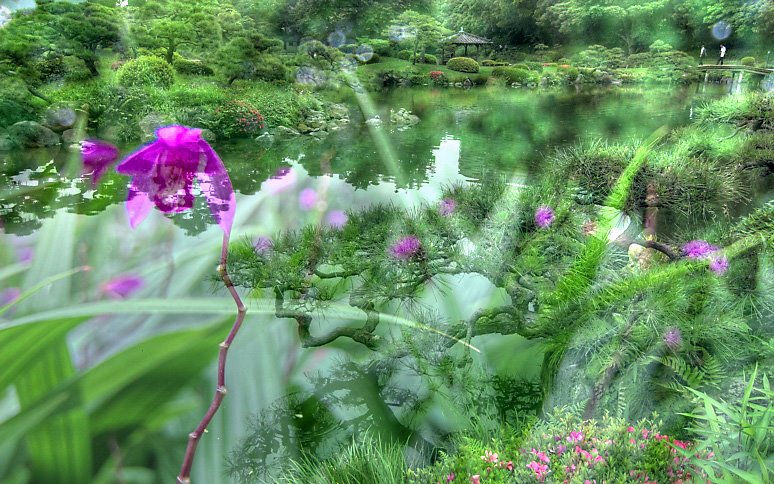
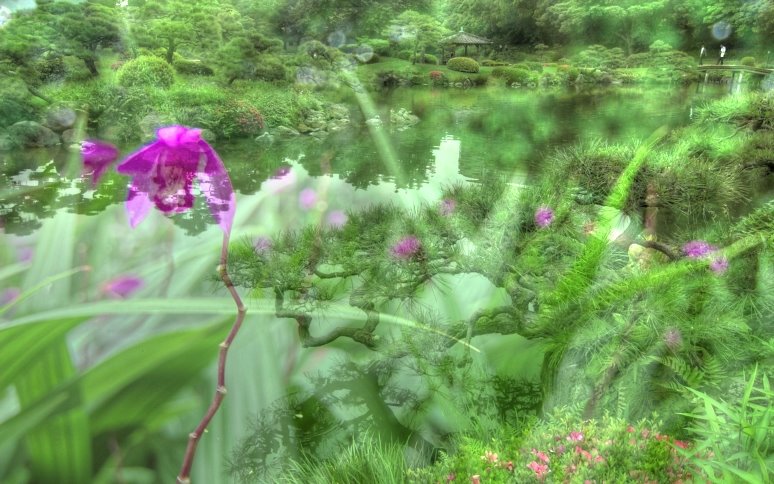
Kiyosumi Symphony


Kiyosumi Symphony Posted by Picasa

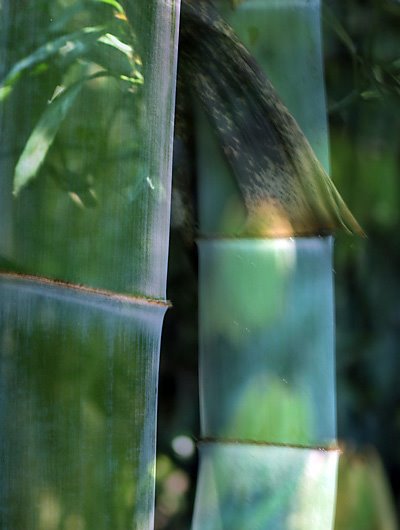
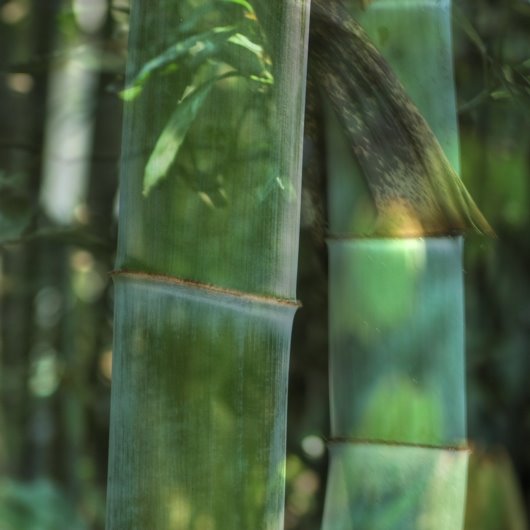
Bamboo Symphony


Bamboo Symphony. Posted by Picasa

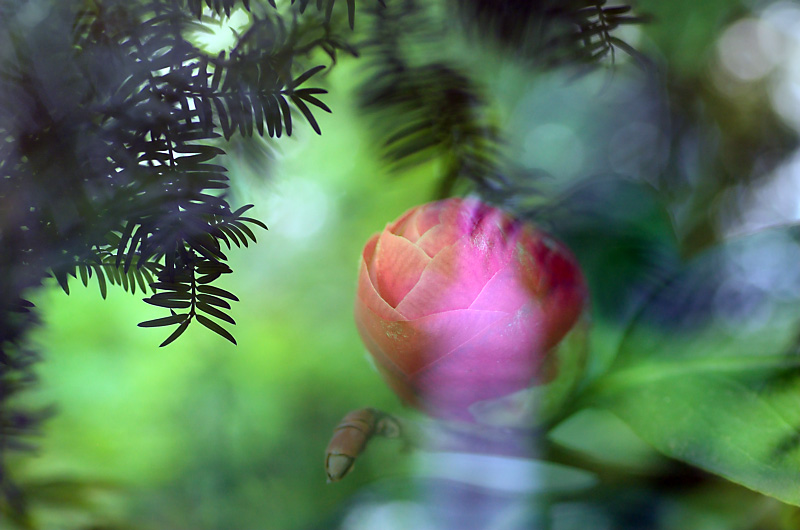
Flower to Be Symphony


Flower To Be Symphony- a longer moment than a picture usually expresses. Posted by Picasa

Tone-Mapping Experiments


Tozenji Symphony- a higher harmony found in blended images.

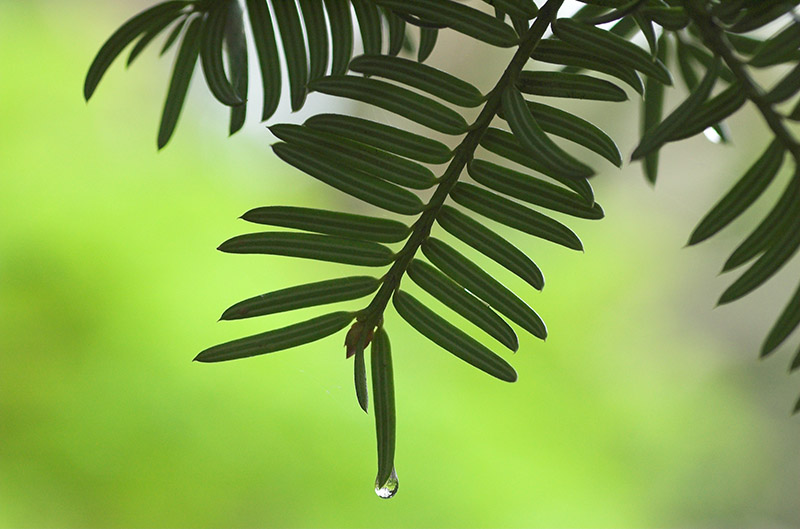
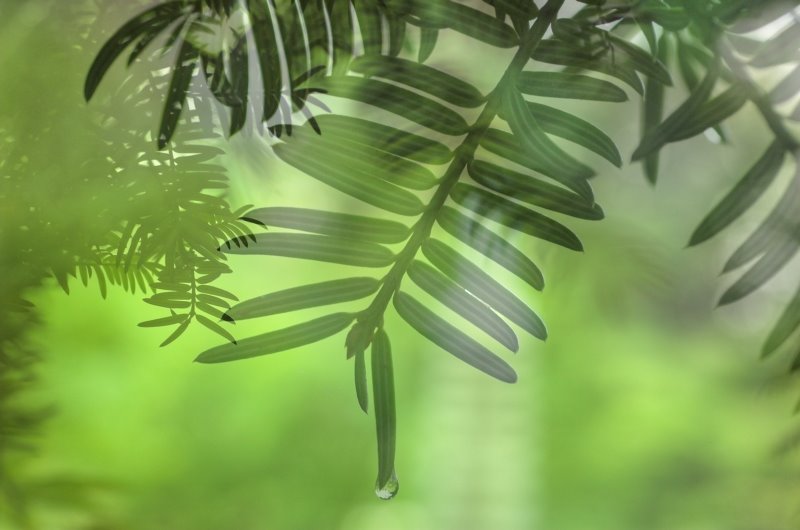
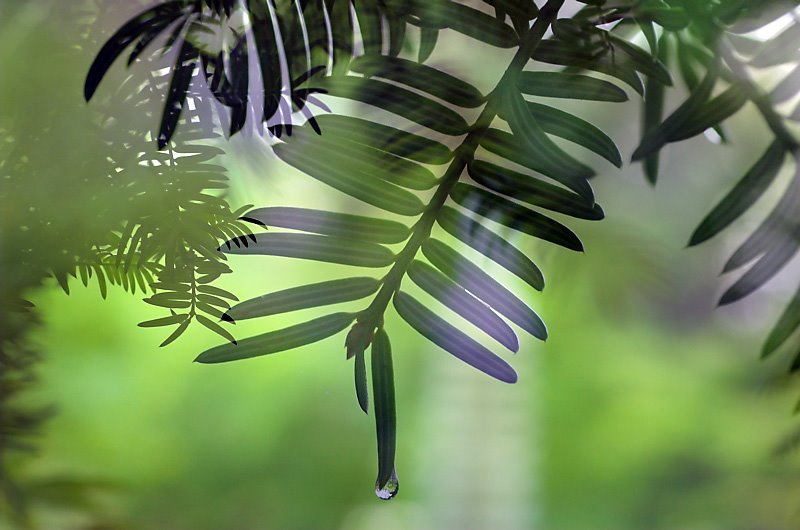
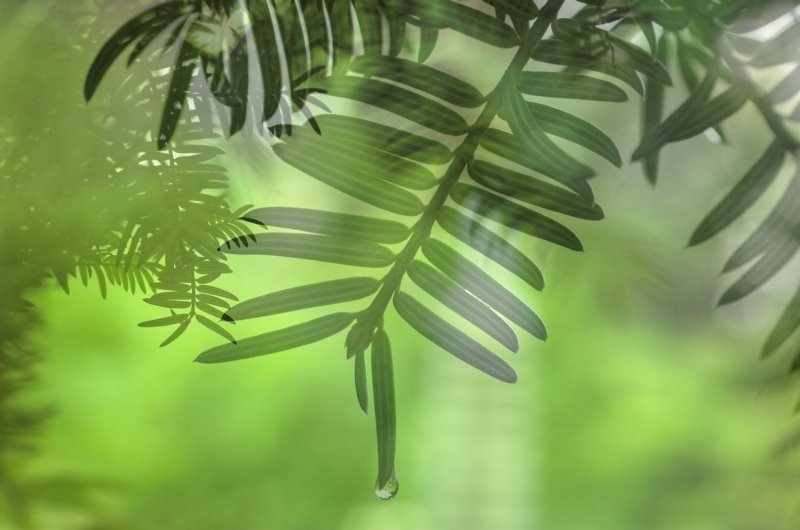
Here are some of my early experiments with Photomatix, an amazing tool to blend photos together, to create High Dynamic Range pictures from various exposures or from a single raw file and also do what it calls 'tone-mapping', in which you can extract the tones from an HDR image, (or a semi-HDR RAW image) and bring out hidden details. Sounds complex? Well, thanks to this software it's a lot simpler than it sounds. The blended images are called 'symphonies' here and this is something to explore further- to merge impressions together and find the harmonies hidden within them.

Note: 19/09/2006- I decided to replace many of these with the 'better' versions that had been photo-shopped to fix their contrast and colours. No point in having two versions of the same photo floating around! Posted by Picasa